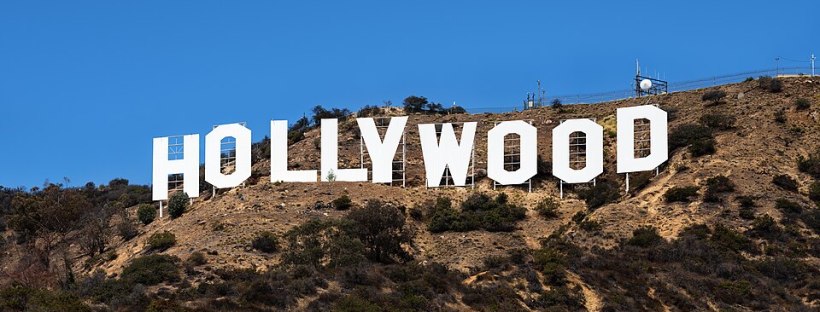
After an initial phase of experimentation, Hollywood expanded into a major money-making business centred around entertainment for the masses. The Studio System that formed around it dictated it to be thus. When talkies replaced silent pictures after 1929, the Golden Age of Hollywood was in full swing and arguably, Hollywood became the primary thing that people around the world recognised the US for. For many, it was the place to be, the place where dreams were made, the place that evoked passion and obsession in equal measure. Even now, Hollywood in the first half of the twentieth century is a great source of nostalgia not only for film buffs and cinephiles but for the American public at large.
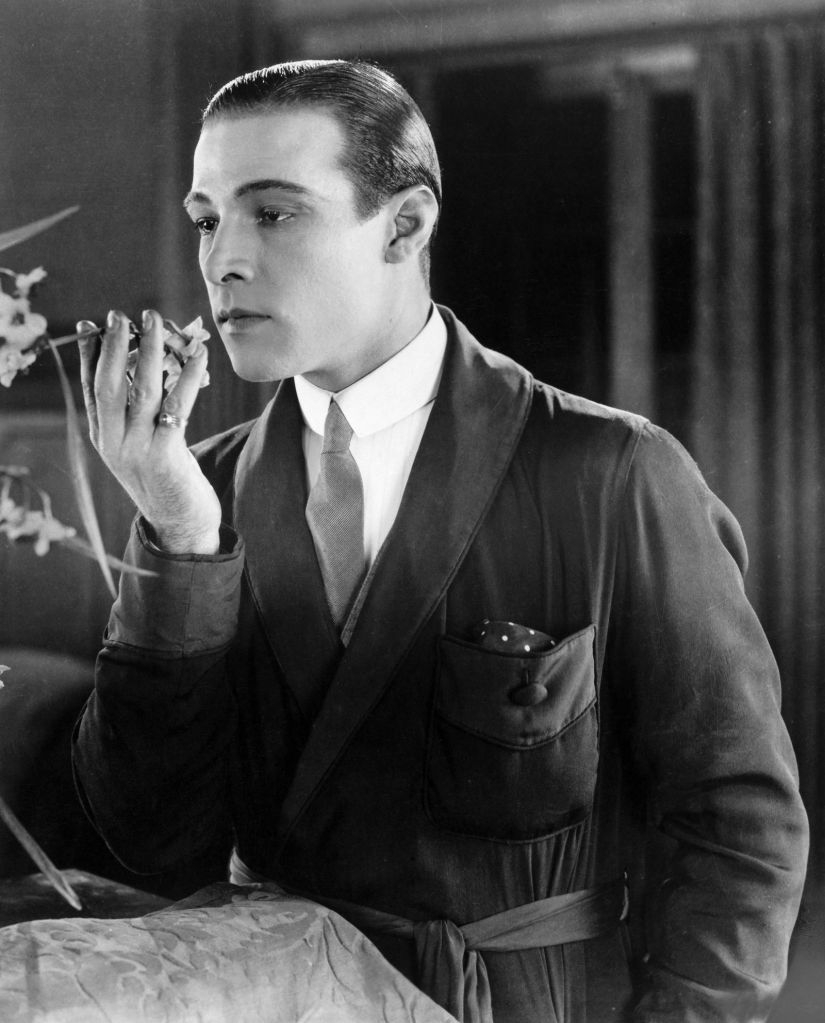
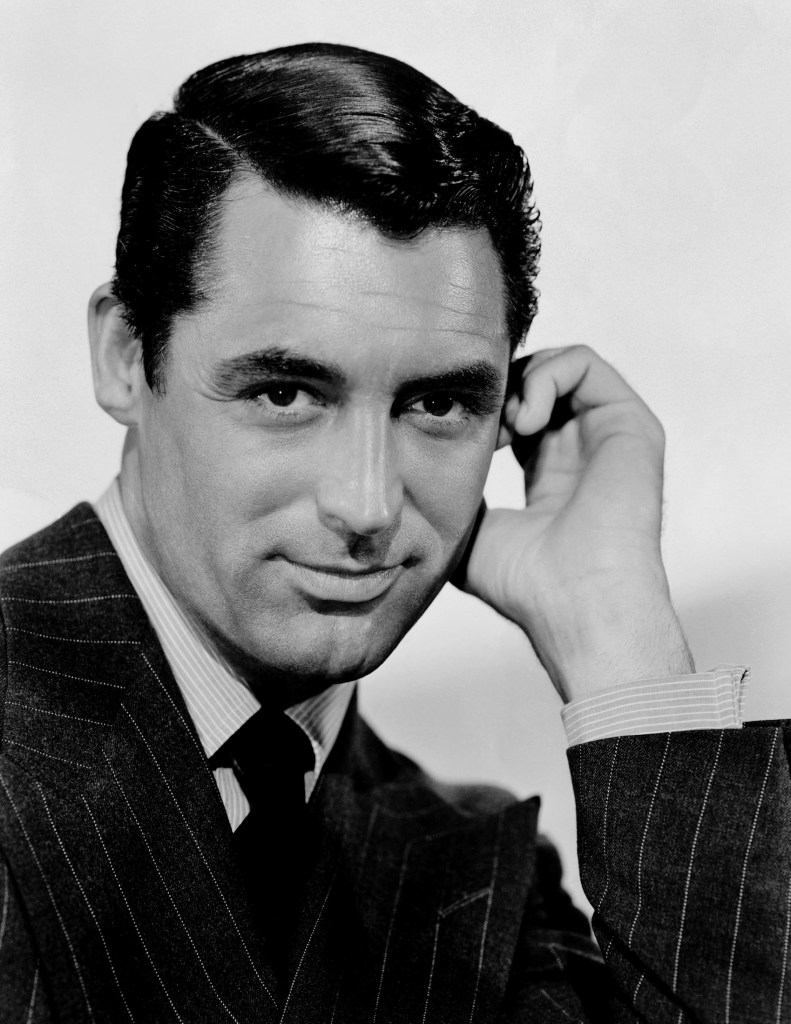
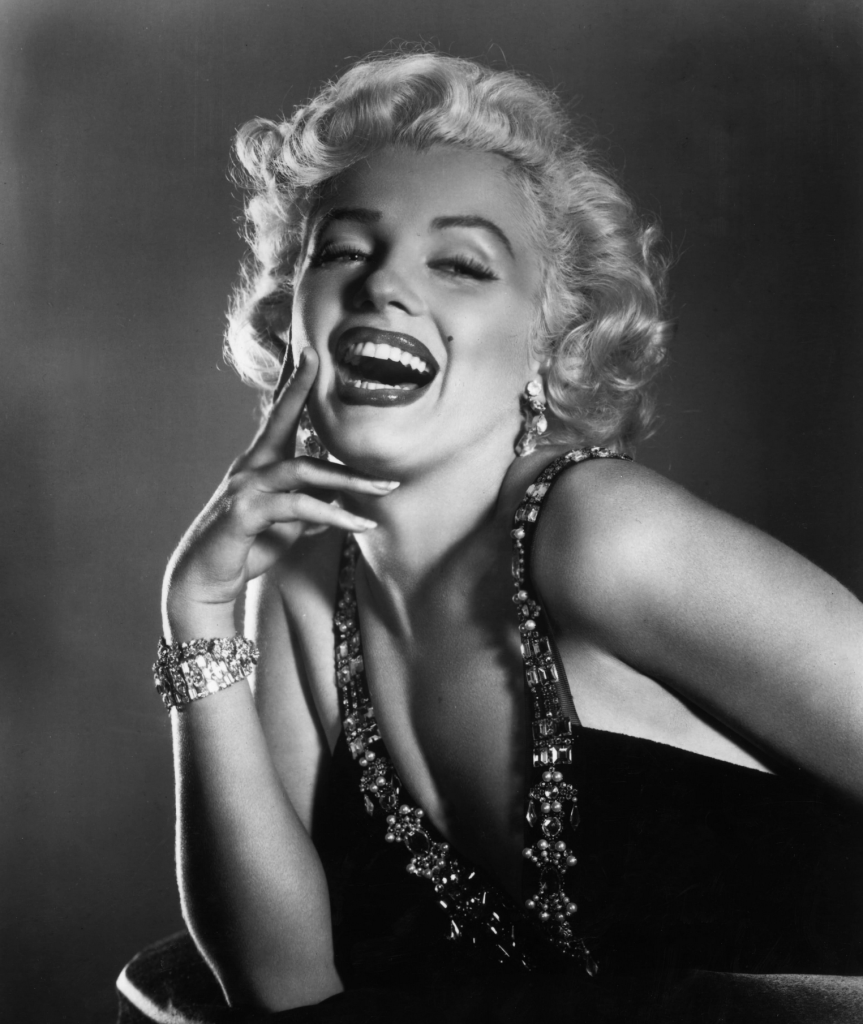
The Studio System was designed to create ‘stars’ – actors admired for their physical traits, their sex appeal, their ticks, their quirks, and their affinity with mostly White American values. At the cinema theatres every weekend, people flocked to worship their gods and goddesses – in the beginning, you had Mary Pickford, Charlie Chaplin, Rudolph Valentino and Douglas Fairbanks, and later came the likes of Cary Grant, Jimmy Stewart, Joan Crawford, John Wayne and even later, Marilyn Monroe. The ‘real’ lives of these stars became part of the mystique around Hollywood and the many scandals and sordid stories that followed (often sinister or tragic) were lapped up by a relentless press and a blood-thirsty public. Hollywood manufactured and moulded the celebrity of its stars. It profited from that and easily discarded them when things went wrong.
The events of the Golden Age, celebratory or otherwise, continue to be of major interest to Americans and to people around the world – well, that is what modern Hollywood keeps trying to tell us. Even though we are dealing with a time in living memory for many, the myth-making has been part and parcel of the Hollywood machine over the years. We are often encouraged, through its own movies, to look back with awe at its glitz and glamour, enthusiasm for its creativity and boldness, and curiosity for its stories from the backlot. I read an article recently describing Hollywood as ‘a self-obsessed orgy of incest’ and I wonder how far off this is! The point of my post here is to look at some examples and try and understand how much of the continuing obsession with Hollywood relates to audiences’ nostalgia and how much relates to its own narcissism. I figure it is somewhat a combination of both….
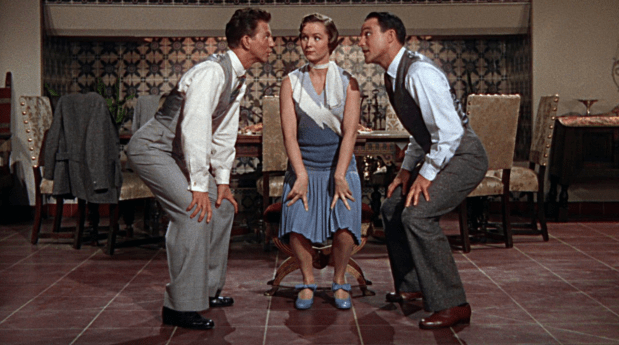
Even when Hollywood was experiencing its Golden Age, it was doing plenty of naval-gazing. Many of their big-budget musicals were not set in magical places, but rather located in the real world and were acted out with both musical numbers on stage (often Broadway in New York) and romantic dramas off-stage. This made Fred Astaire and Ginger Rogers famous, and later Gene Kelly. Indeed, Kelly’s Singin’ in the Rain (co-directed with Stanley Donen in 1952) is the best example of a blockbuster musical in a Hollywood setting. Famous for its joyous and astounding set-pieces, it offers a light-hearted reflection on the film industry as it moved from silent pictures to talking ones. The Jazz Singer, the first breakthrough talkie, is even a key prompt for the characters to consider their position in Hollywood, whether it be their singing voices, their accents, or their ability for engaging dialogue. I think this is what makes Singin’ in the Rain a lasting masterpiece – it happily explores and satirises Hollywood history but never at the expense of comedy, good feelings, and entertainment. Kelly, Debbie Reynolds and Donald O’Connor are a wonderful trio who gave us unforgettable moments.
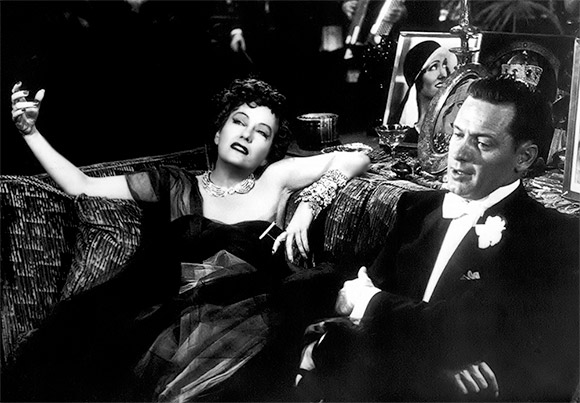
The darker sides of Hollywood were also explored at the time, and this included Billy Wilder’s incredible masterpiece Sunset Boulevard from 1950 – possibly the most adult film committed to celluloid in the Golden Age era. Characters associated with Hollywood (writers, directors, producers, and actors) were popping up in many noir films (e.g. Bogart plays a troubled screenwriter in Nicholas Ray’s In a Lonely Place) but Wilder’s film placed Hollywood at the centre of everything – the characters, the plot, the setting, the jokes, the critique. It works so well because Wilder was always a bit of an outsider to Tinseltown. Arriving in the US from Austria via Germany in 1934, he was fully formed as a screenwriter and was undaunted by the lights of the new world he embarked on as a director. Sunset was a culmination of Wilder’s own experiences in L.A. and his curiosity of the faded stars of yesteryear that lived in the crumbling mansions around him. His penchant for biting and witty dialogue is what makes the film stand out, and Wilder reflects on Hollywood as a place that is totally unhinged and often soulless in its pursuit for greatness…and then on the flipside, the film itself is so brilliant it sits as one of the best films Hollywood has ever given us. It still amazes me that Gloria Swanson, Erich von Stroheim, Buster Keaton, Cecil B. DeMille and Hedda Hopper took part in what was essentially a vicious critique on the lives they were all living themselves.
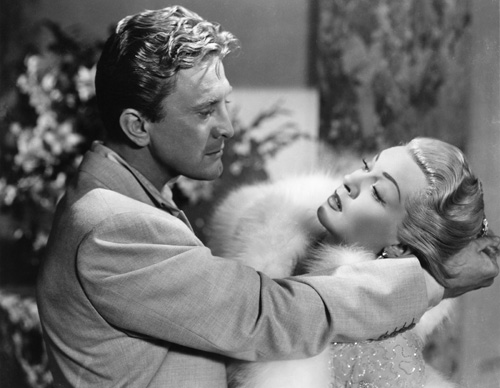
Two years later, another Hollywood mainstay, Vincente Minnelli, who up until then was famous for comedies and musicals, took to satire with The Bad and the Beautiful. This is another critical reflection on the film industry of the previous decades, but even more so than Sunset Boulevard, it is an excoriating look at Hollywood’s ruthless behind-the-scenes practices. Kirk Douglas plays a megalomaniac studio producer who will stop at nothing to pursue a profitable direction for himself, even if it means that other people will die as a result. As many people point out, many characters were based on legendary Hollywood figures, with Douglas’s Jonathan Shields very clearly modelled on David O. Selznick, the famous studio exec who could be described as the ‘Harvey Weinstein of early Hollywood.’ The film is offered in a melodrama-style rather than dark comedy as Wilder had done but it is no less effective. Minnelli provides a masterclass in character development and this is excellently personified by the dimple-chinned, rough-handling, grin-maestro Douglas.
Indeed, not everyone in Hollywood at the time agreed with Wilder’s or Minnelli’s impressions, and as the fifties and sixties rolled by, malicious satires about the industry became few and far between. If anything, Hollywood become more Hollywood…slowly disappearing up its own rectum. By the end of the sixties, independent movies replaced the Studio System and there was, for a brief moment, an embrace of the outside world. But that all changed again in the eighties and nineties with a return to conservative, studio-produced schmaltz, or extreme flag-waving action. Having said this, there are some glad examples from the early nineties that recall Wilder’s dark vision. The Coen Brothers, who found inspiration in noir films of the early days, went in deep with Barton Fink in 1991, as did Tim Burton with Ed Wood in 1994.
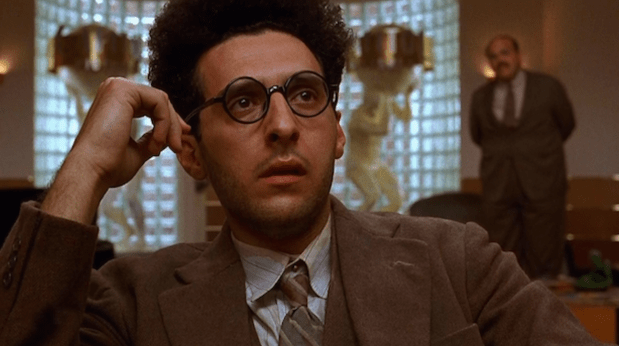
Barton Fink covers a lot of ground in an artsy, post-modernist way, and it is unsurprising to find that it was a hit with award juries but not so with audiences upon release. Its exploration of themes such as ‘the common man,’ writer’s block and the rise of Nazism in a black comedy can easily go over people’s heads, but I think it is a thoroughly intriguing watch as it deals with the contradictions of Hollywood. John Turturro plays the arrogant lead protagonist – a ‘high culture’ writer arriving to a ‘low culture’ movie-making business in the 1940s. As with all Coens’ leading men, Turturro’s Fink offers us a buffoon to laugh at even as he enters into a Kafkaesque spiral. It is a fun but complex watch with heavy symbolism in every scene. The critique on Hollywood (then and now), with its prison-like hotels and its lunatic fat-cat producers, is overt. Although it was a commercial failure, Barton Fink presented the Coens’ intellectual and offbeat approach more so than any of their previous films, and which was honed to even greater effect in their later masterpieces Fargo and The Big Lebowski.
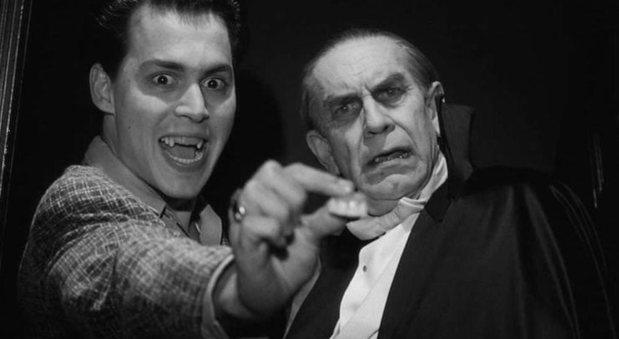
Ed Wood offered up a part of Hollywood that many would have never known about – the exploitation films of the fifties. These were spawned by the writers and directors who could not garner favour in the Studio System but instead found basic funds and makeshift sets to make low-budget sci-fi flicks themselves. Wood was one of those, and because his story crossed with a famous actor from the 1930s, Bela Lugosi, this was a vignette of Hollywood history that was deemed worthy of people’s interest in the mid-1990s. Based on Rudolph Grey’s book and adapted by the screenwriting duo Scott Alexander and Larry Karaszewski, Tim Burton was eventually chosen to direct the film given his penchant for dark humour and his impulse for horror (Wood made lots of low-budget horror films and Lugosi famously played Dracula for Universal). The result is a joy to behold thanks mainly to committed performances by Johnny Depp and Martin Landau. Like Barton Fink, audiences did not get it too much when it was released, but thankfully it has become a cult classic mainly due to its celebration of underground creativity and imagination as well as some much-needed trans acceptance vibes.
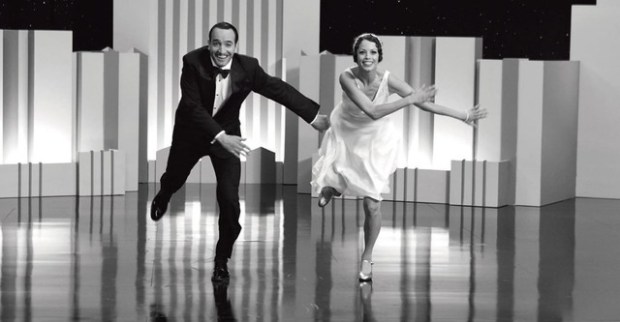
The homage to dark Hollywood continued throughout the nineties and into the noughties with the gritty ‘tough cop’ thriller L.A. Confidential in 1997, which linked underground crime to the movie business of the early fifties, and David Lynch’s surrealist fever dream Mulholland Drive in 2001, which set a cryptic lesbian love story (and lots more besides) in modern Hollywood. Since then, it appears that approaches to Hollywood in Hollywood have shifted slightly, and I imagine this all started with the breakout success of The Artist in 2011. Michel Hazanavicius’s film was produced entirely by French production companies but was filmed in L.A. and focused on the similar setting and timeline seen in Singin’ in the Rain: Hollywood at the end of the Silent era. Although the film is technically brilliant and life-affirming at times, I am not a big fan. It overwhelms the viewer with camp charm and refuses to deal with any level of fact about this period of Hollywood. I imagine Truffaut would have been appalled if he had been alive to see it. The Artist’s success at the Oscars and with audiences indicated the appetite for Hollywood nostalgia, and indeed prompted much insular worship over the next number of years. Damien Chazelle’s La La Land came out in 2016 and almost replicated The Artist’s Oscar triumph (but we all know what happened there). It is another film that fawns over the concept of Hollywood and embraces the industry’s historical musical tendencies to whisk the viewer away to an alternative, happy-go-lucky place. It succeeds somewhat, but I could not escape the obvious ostentation and I found the disdain shown to A Flock of Seagulls offensive.
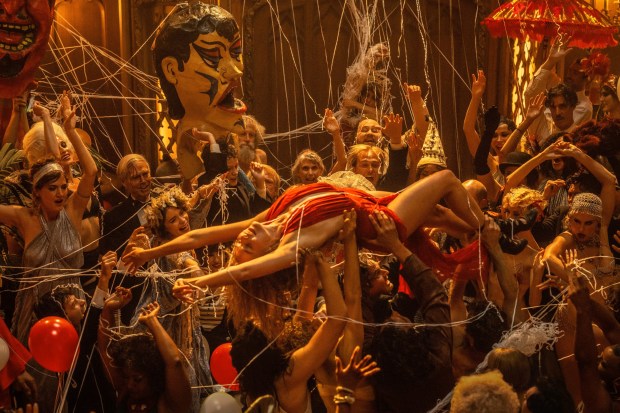
Chazelle continues to explore the confines of Hollywood’s own back passage, having following up with the less successful Babylon in 2022 – a star-studded, overly-long Box-Office Bomb about the fabled excesses of Hollywood in the 1920s. As one reviewer excellently sums it up, it is ‘prurience, dumb sensation, self-congratulation and wilful ignorance of history.’ In the time between La La Land and Babylon, a number of films have been produced with the intent to cash in on this Hollywood nostalgic clamour – the Coens missed the mark with Hail, Caesar! in 2016, a second attempt at exploring the vacuous and sleazy world of movie-making, and David Fincher had a decent go at understanding the origins of Herman J. Mankiewicz’s script for Citizen Kane with his 2020 biopic Mank.
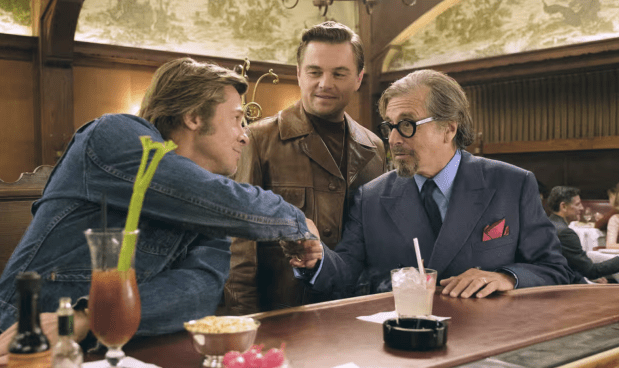
Then there is Once Upon A Time in Hollywood, released in 2019 by the king of Hollywood trivia and ultra-violence, Quentin Tarantino. His ode to the ‘summer of love’ is a delightfully sporadic, excellently crafted but massively fictionalised reminiscence about the end of the Hollywood Studio era. The film is one of Tarantino’s most successful films and he is in surprisingly restrained form here, although you cannot but wince at his brutal treatment of violence towards women. Adult entertainment is at the heart of this movie, and in many ways, it reaches out to both boomers and millennials in its celebration of a time when ‘the movies’ were cool and non-risk-averse (Gen Z is also represented in the many young actors who play members of the Manson Family).
It is very clear that Americans like to look inward at their precious Hollywood. They like to feel warm and fuzzy about the place, whether it be the glitz and glamour, the singing and dancing, or the mysterious ‘forgotten’ stories of its stars. A good story based on or within Hollywood is still a bankable bet for the movie-making business. Maybe one day they will make a movie about the Nouvelle Vague, Italian neorealism, the cinema of Iran, or New German cinema…but that is highly unlikely. I may as well shut up and continue to wish that the blueprints for the likes of Sunset Boulevard, Barton Fink and Ed Wood are utilised rather than The Artist and Babylon!

 Momentary Cinema